Information about Puli and IstriIn


Zlatna vrata Pula
Population

Local History
The name Pula first appeared in 177 B.C.


The Arena of Pula - Amphitheatre
It's unique in that it is still used for the entertainment of a publicum, with events such as Concerts.

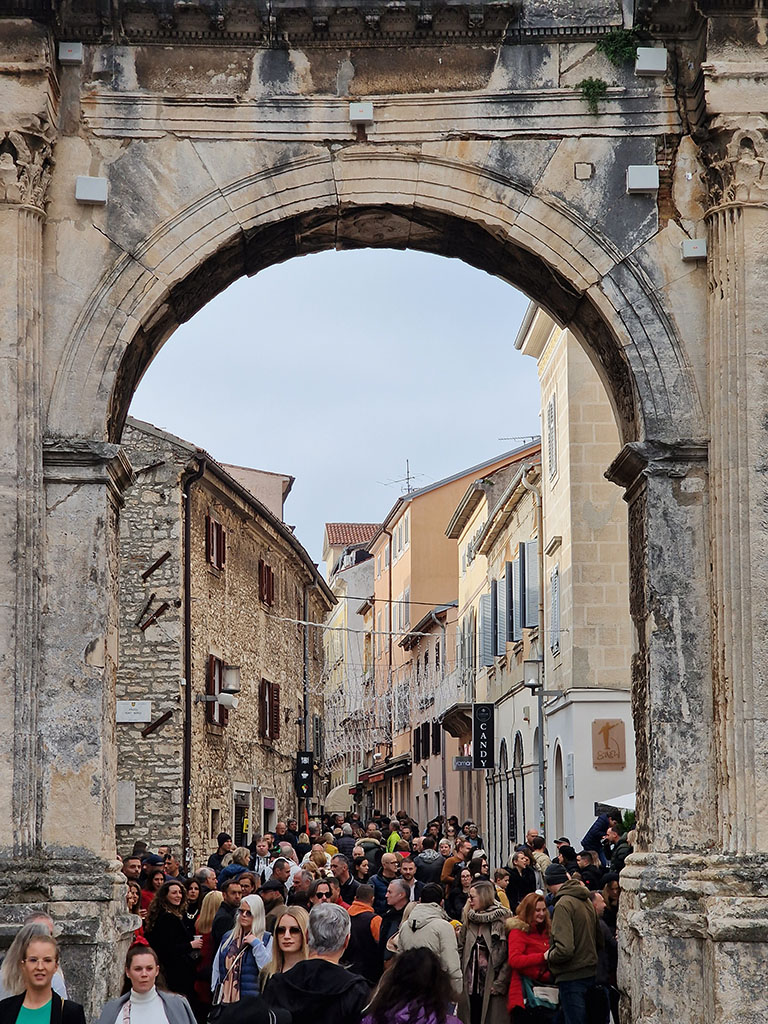
The Golden Gate - Slavoluk Sergijevaca

Temple of August (Augustusov Hram)

Brioni National Park - Brijuni
Tipp: You can rent golf carts and drive around the island.
Tipp 2: Don't miss the museum on the Island!
Istralandia Aquapark
Istralandia Aquapark
The Istralandia Aquapark is 73km away from the apartment. You can get there in less than an hour. There are plenty of activities for both adults and children!
https://www.istralandia.hr/

Bale


Bale, a picturesque village in Istria, Croatia, was first mentioned in the 10th century. It has a rich history and architecture dating back to Roman and Venetian times.
Situated halfway between Rovinj and Pula. This small village is known for its scenic beauty, rich history, and authentic charm. Bale is located 13 km from Rovinj and 20 km from Pula, and is very well connected with the rest of Croatia, Slovenia, and Italy.
Here, you can enjoy the beautiful streets, old stone houses, vineyards, and olive groves. Bale is an ideal place for a weekend getaway or a stopover during a trip through Istria. Additionally, there are numerous restaurants here with excellent gastronomic offerings based on local ingredients.
Buzet
- Location: The town of Buzet is situated in the northern part of Istria, near the border with Slovenia.
- History: Buzet has a rich history dating back to Roman times and was an important trading center during the Middle Ages.
- Landmarks: Main attractions include the Church of St. Anthony, the medieval old town, and the vineyards.
- Culture: The town is known for its vineyards and olive groves, as well as cultural events, including fairs and festivals.
Buzet is a beautiful town with a rich history and cultural landmarks.


Buje
- Location: The town of Buje is situated in the northwestern part of Istria, near the border with Slovenia.
- History: Buje has a rich history dating back to Roman times and was an important trading center during the Middle Ages.
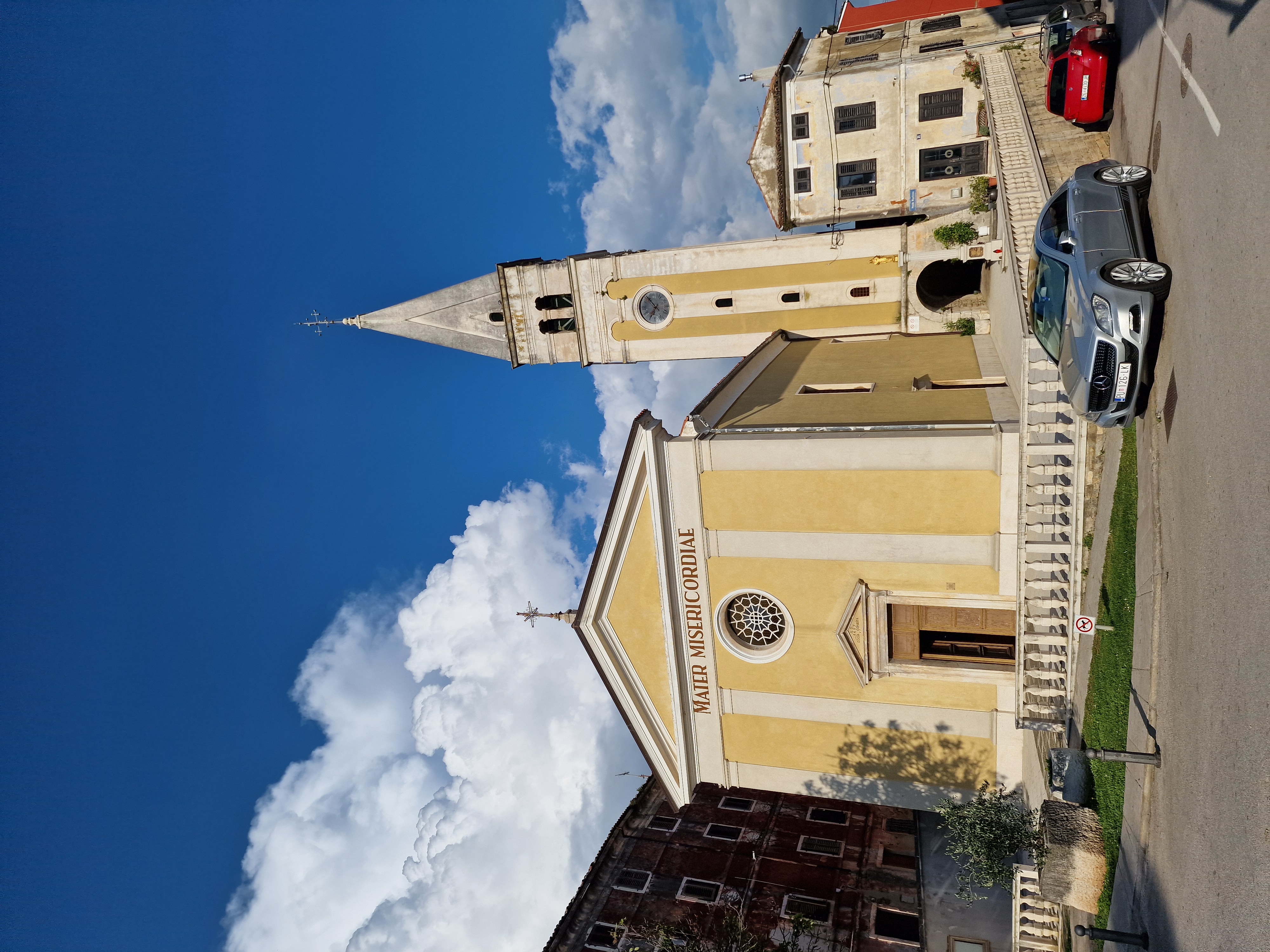
- Landmarks: Main attractions include the Church of St. Servulus, the town's main church, and the medieval old town with its narrow, cobblestone streets.
- Culture: The town is known for its vineyards and olive groves, as well as cultural events, including fairs and festivals.
Buje is a beautiful town with a rich history and cultural landmarks.


Motovun
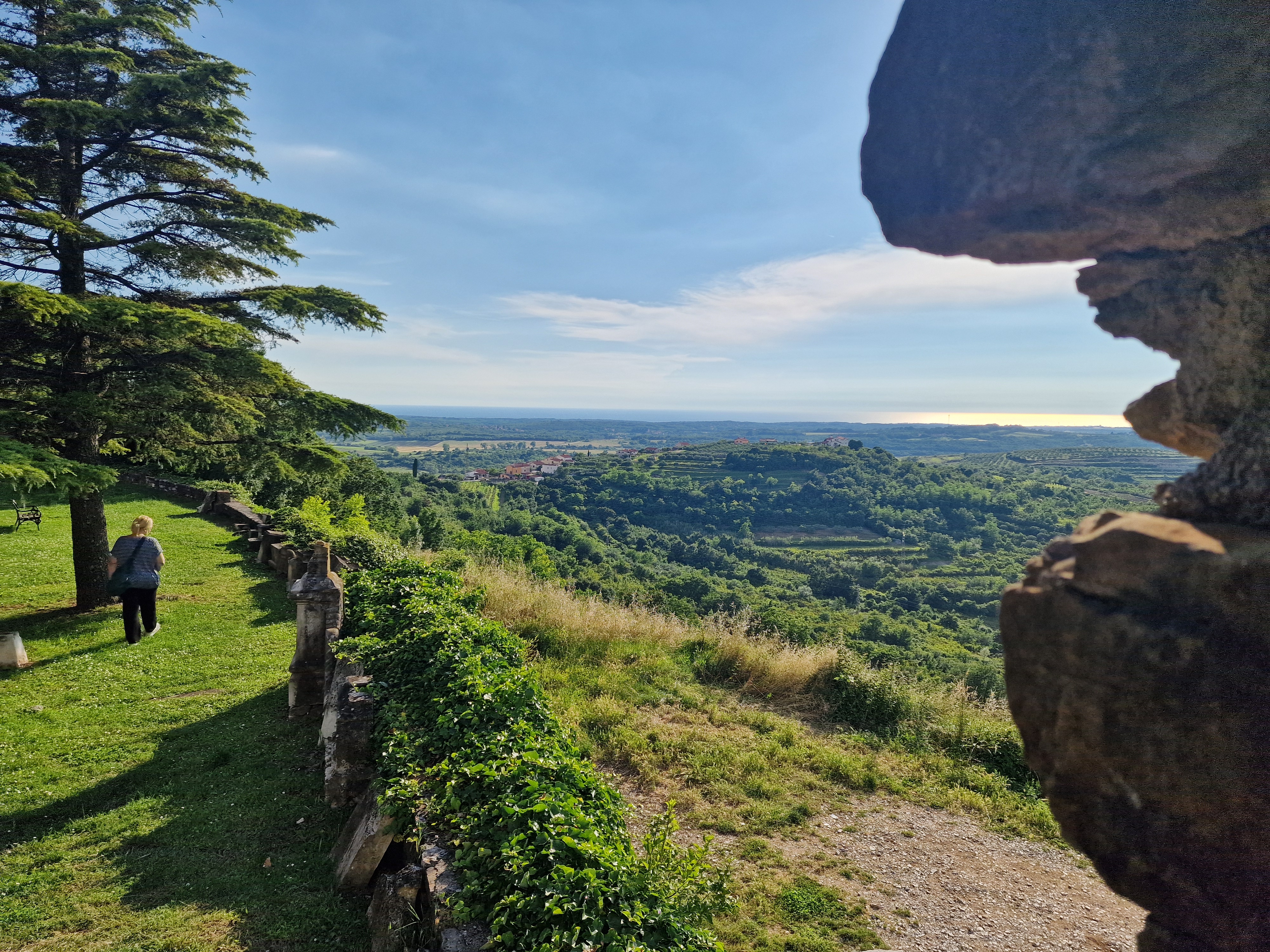
Motovun, also known as Montona in Italian, is a charming medieval town located in the northern part of the Istrian Peninsula in Croatia. Here are some key highlights about Motovun:
Historical Significance
- Ancient Roots: The area around Motovun has been inhabited since prehistoric times. The town itself was known as "Montana" during Roman times1.
- Medieval Era: Motovun became part of the Venetian Republic in 1278 and remained under Venetian control until the late 18th century.
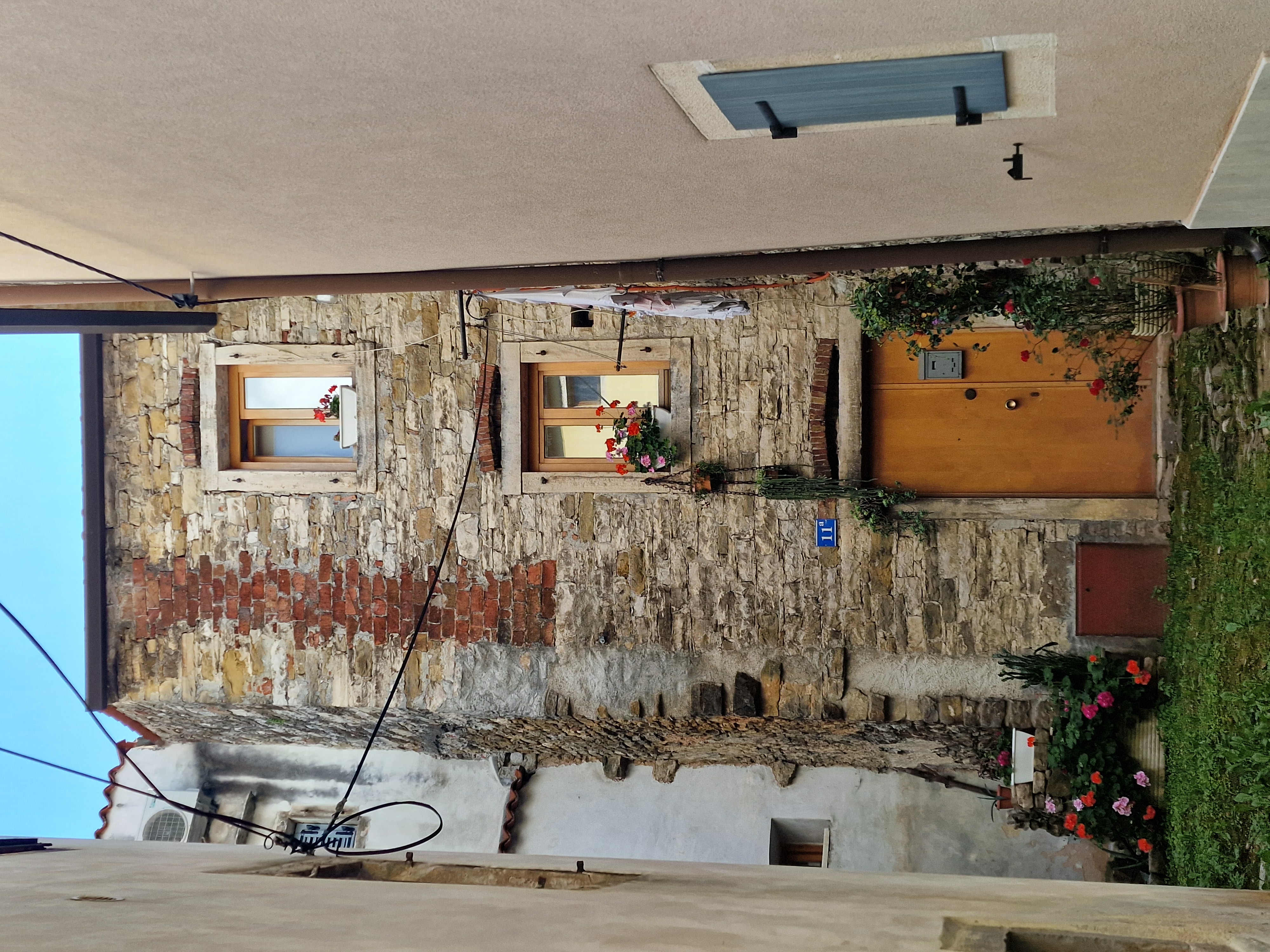
Architectural Heritage: The town is surrounded by two concentric walls, with the inner wall dating back to around 1300 and the outer wall built between the 16th and 17th centuries.
Main Attractions
- St. Stephen's Church: This 17th-century church is a prominent landmark in the town.
Bell Tower: The Romanesque-Gothic bell tower, dating back to the 13th century, stands next to St. Stephen's Church.
Town Square: The main square, Trg. Andrea Antico, is surrounded by historical buildings and palaces.
Wine and Truffles: Motovun is famous for its Malvasia and Teran wines, as well as its truffles.
Activities
- Hiking and Cycling: The surrounding hills and Mirna Valley offer beautiful trails for hiking and cycling.
Cultural Events: The town hosts the Motovun Film Festival, an annual event celebrating independent and experimental cinema.
Getting There
- By Car: Motovun is accessible by car, with scenic drives through the Istrian countryside.
By Bike: Cycling is a popular way to reach Motovun, with dedicated bike paths available.
Motovun is a perfect destination for those seeking a mix of history, culture, and natural beauty.
Pazin
Pazin is a picturesque town situated in the very center of Istria, Croatia. Known for its imposing medieval castle above a deep karst gorge, it offers breathtaking natural beauty and a rich cultural heritage. The town gained literary fame thanks to Jules Verne, who set part of his novel Mathias Sandorf in the Pazin Cave. With a population of around 4,000, Pazin is peaceful yet full of character. Visitors can explore the Ethnographic Museum, located within the castle walls, and enjoy panoramic views of the surrounding countryside. The area is ideal for adventure lovers, offering zip-lining over the gorge and numerous hiking trails. Throughout its history, Pazin was influenced by various rulers, adding to its cultural diversity. Its streets reveal a blend of modern life and traditional Istrian charm. Local gastronomy features truffles, homemade pasta, and fine regional wines. Whether for history, nature, or cuisine, Pazin offers an authentic and unforgettable experience.


Hum
Hum is a small town in Croatia, nestled in the heart of the Istrian peninsula. 🏞️ Known as the smallest town in the world, it has only a few dozen inhabitants. It was founded in the early Middle Ages as a fortified settlement, strategically placed on a hilltop. The earliest written records about Hum date back to the 11th century. Though the exact founder remains unknown, legend says that giants built Hum using the leftover stones from constructing other towns in the Mirna River valley. The town is steeped in Glagolitic heritage—ancient inscriptions and monuments written in the Glagolitic script surround it. Hum's original medieval structure is preserved, making it an open-air museum. Stone-paved streets and traditional Istrian houses tell stories of a rich past. Each year, the town hosts a contest for the best homemade brandy, celebrating local customs. Despite its tiny size, Hum offers a peaceful retreat and holds immense cultural significance.